
Summer 2027 Internships: Complete Student Search Guide
When to apply for summer 2027 internships, where to find U.S. roles, build a SuperInterns workflow, track with Gmail, get referrals, and prep for interviews.
Summer 2027 internships may feel far away, but competitive recruiting moves earlier than most students expect. If you want a stronger chance at well-matched U.S. internships, the best approach is simple: start early, stay organized, apply consistently, and prepare before interviews arrive.
This guide walks you through a practical internship search plan for summer 2027. You will learn when to apply, where to find roles, how to organize applications, how to use Gmail-based tracking, how to get referrals, and how to prepare for interviews without turning your semester into a full-time job search.
SuperInterns can serve as your central workflow: browse internships, track applications from your inbox, verify student status where needed, organize follow-ups, and move into interview practice when opportunities progress.
Why Summer 2027 Internship Planning Should Start Early
Many students wait until spring to search for summer internships. That can work for some local or smaller-company opportunities, but it is risky for structured programs in technology, finance, consulting, engineering, healthcare, media, government, and large corporate teams.
For summer 2027 internships, early planning helps you:
- Apply before roles close or fill on a rolling basis
- Build a focused resume before recruiting peaks
- Ask for referrals before application deadlines
- Prepare for interviews instead of reacting last-minute
- Track deadlines, responses, and follow-ups in one place
- Reduce stress during midterms, finals, and campus commitments
The goal is not to apply to hundreds of roles overnight. The goal is to create a steady process that helps you find relevant internships and submit stronger applications.
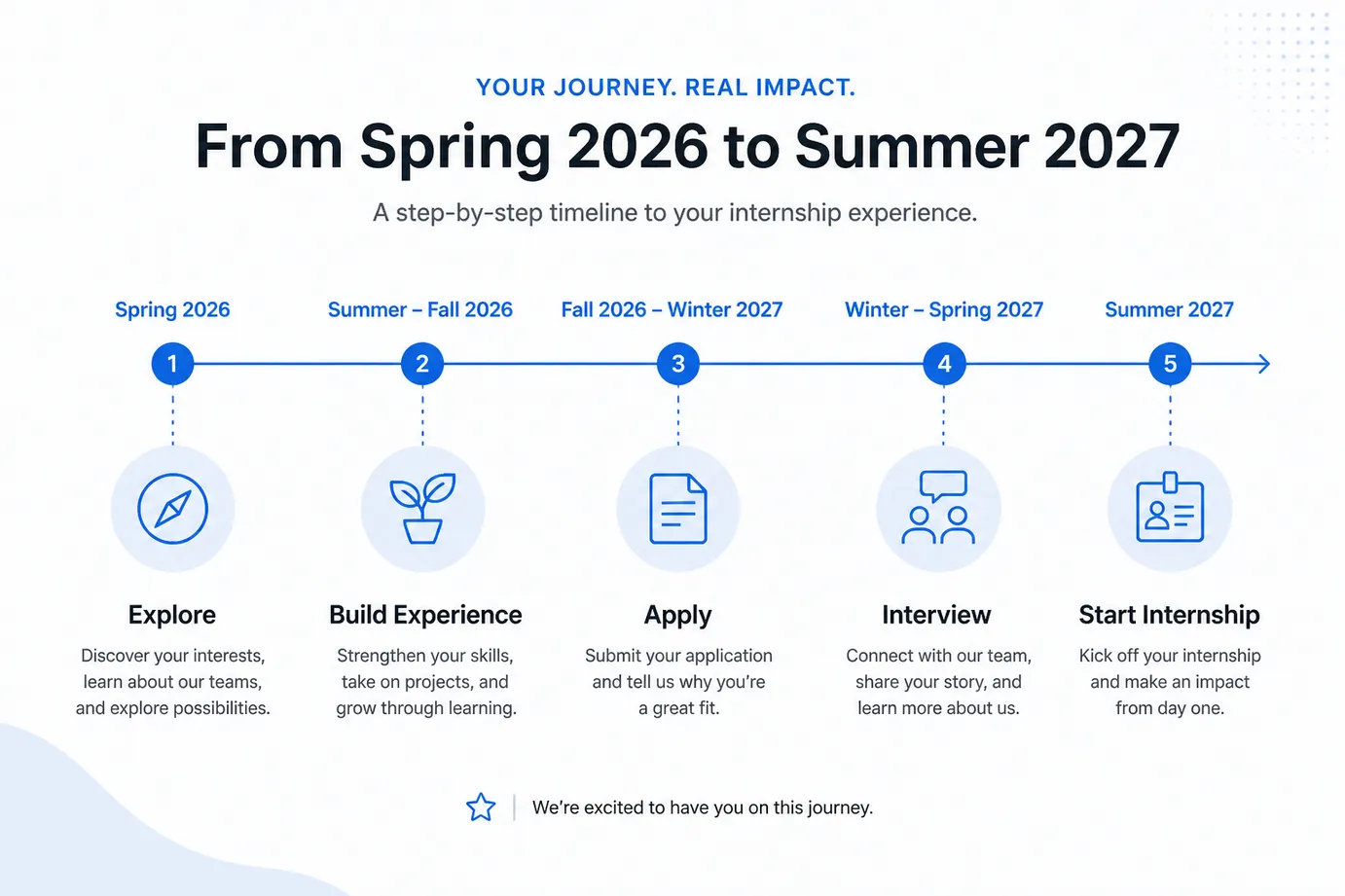
Summer 2027 Internship Timeline
Recruiting calendars vary by industry, company size, school, and location. Use the timeline below as a planning framework, then adjust based on your field.
Spring 2026: Explore and Build Your Foundation
If you are reading this early, use spring 2026 to clarify your direction. You do not need a perfect career plan, but you should know which internship categories are worth testing.
Do this first:
- Choose 2-3 internship tracks, such as software engineering, marketing, data analytics, finance, product, operations, public policy, or research.
- Create a starter resume with projects, coursework, part-time work, campus leadership, and volunteer experience.
- Build a simple LinkedIn profile and update your school email signature.
- Save interesting companies and internship titles.
- Start browsing internships to understand common requirements.
This stage is about pattern recognition. If every data internship asks for SQL, Python, and Excel, you now know what to practice before applications open.
Summer 2026: Gain Experience and Create Proof
Summer 2026 is a strong time to build experience that supports your summer 2027 applications. That can include a job, research role, volunteer project, online portfolio, campus initiative, or independent project.
Examples:
- A marketing student can run social content for a student organization and track engagement results.
- A computer science student can build a small app and publish the code.
- A finance student can complete a valuation project and summarize it in a portfolio.
- A public health student can support a community program and document measurable outcomes.
Internship applications are stronger when you can point to evidence. Evidence does not have to be a previous internship. It can be a project, responsibility, result, or skill demonstration.
Fall 2026: Apply Early and Track Everything
For many competitive summer 2027 internships, fall 2026 is the main season. Some roles will open in late summer or early fall. Others will appear throughout the semester.
Your fall plan should include:
- Finalizing your resume by August or September 2026
- Browsing internships weekly
- Creating a target company list
- Asking for referrals before applying when possible
- Applying early to rolling opportunities
- Logging every application and follow-up
- Starting interview practice before you receive invitations
Do not rely on memory. Once you apply to more than 10 roles, details blur quickly. Use SuperInterns to keep your applications, statuses, emails, and next steps organized.
Winter 2026-2027: Follow Up and Continue Applying
Winter break is a useful catch-up period. Some students pause their search, which creates an opportunity for you to improve your materials and apply to fresh postings.
Use winter break to:
- Review which applications received responses
- Improve your resume based on job descriptions
- Practice behavioral and technical interviews
- Reconnect with contacts and alumni
- Apply to roles posted by smaller and mid-sized employers
- Prepare for spring career fairs
Spring 2027: Focus on Active Openings and Interviews
Spring recruiting often includes smaller companies, startups, nonprofits, local employers, labs, and teams with newly approved headcount. If you do not have an offer yet, keep going.
In spring 2027, prioritize speed and fit:
- Apply within a few days of finding a strong match
- Follow up on warm contacts
- Practice interviews weekly
- Keep a short list of high-priority applications
- Check your inbox daily for recruiter messages
- Compare offers based on learning value, location, pay, schedule, and team support
Where to Find Summer 2027 Internships
A strong search uses multiple sources. No single job board has every internship.
1. Internship Platforms and Student-Focused Tools
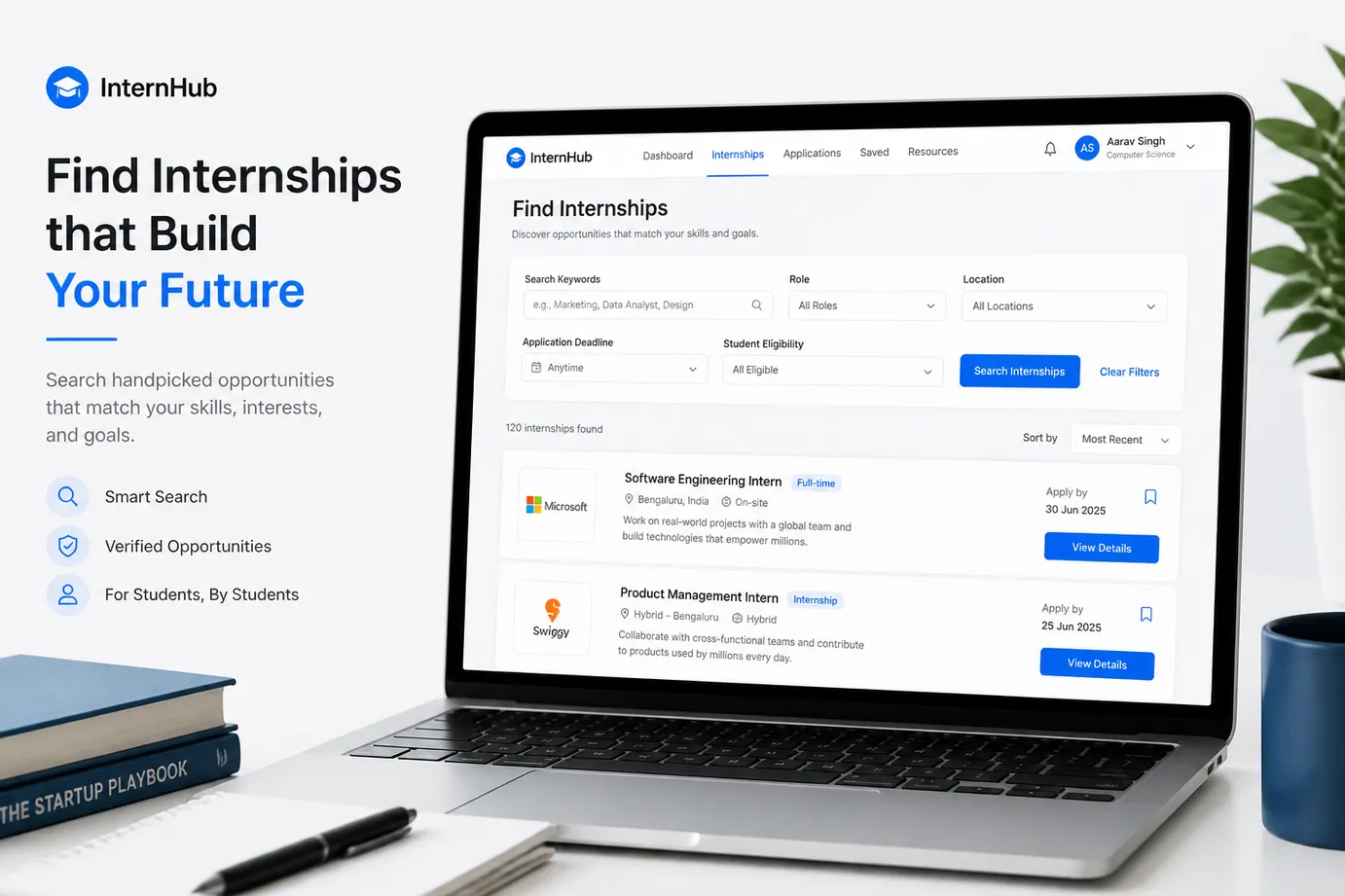
Use SuperInterns as your main internship workflow so your search does not get scattered across tabs, spreadsheets, and inbox threads. Start by browsing internships, saving relevant roles, and tracking your next actions.
Look for filters that match your situation:
- Location, including remote, hybrid, or U.S. city-based roles
- Major or field of study
- Graduation year or student eligibility
- Paid or unpaid internships
- Sponsorship requirements, if applicable
- Application deadline
- Skills and tools listed in the posting
2. Company Career Pages
Some employers post internships on their own career sites before they appear elsewhere. Create a target list of 25-50 companies and check them regularly.
Your target list can include:
- Large companies with formal internship programs
- Local employers near your campus or home
- Startups and growing companies
- Nonprofits and public agencies
- Research labs and universities
- Companies where alumni from your school work
3. School Career Centers
Your campus career center may have employer relationships, resume reviews, interview prep, and exclusive postings. Even if you use external platforms, do not ignore school resources.
Ask your career center:
- Which employers recruit for your major?
- When are fall and spring career fairs?
- Are there alumni networking events?
- Are resume reviews available before peak deadlines?
- Does your school offer interview rooms or virtual interview support?
4. LinkedIn, Alumni Networks, and Professional Communities
Networking is not asking strangers for favors. It is learning from people who understand the roles you want.
Search for alumni by company, role, major, or city. Send short, respectful messages asking for 15 minutes of advice. If the conversation goes well and there is an open role, you can ask whether they would feel comfortable referring you.
5. Niche Boards and Industry Groups
Depending on your field, use niche sources:
- GitHub, open-source communities, and tech internship lists
- Professional associations for engineering, accounting, marketing, design, and healthcare
- Government internship portals
- Research lab pages
- Local business associations
- Nonprofit and civic opportunity boards
Build a Central Workflow With SuperInterns
The biggest internship search mistake is not a weak resume. It is losing control of the process. You apply, forget which version of your resume you used, miss a follow-up, overlook an interview email, or fail to track deadlines.
SuperInterns helps students create a central workflow from search to interview prep.
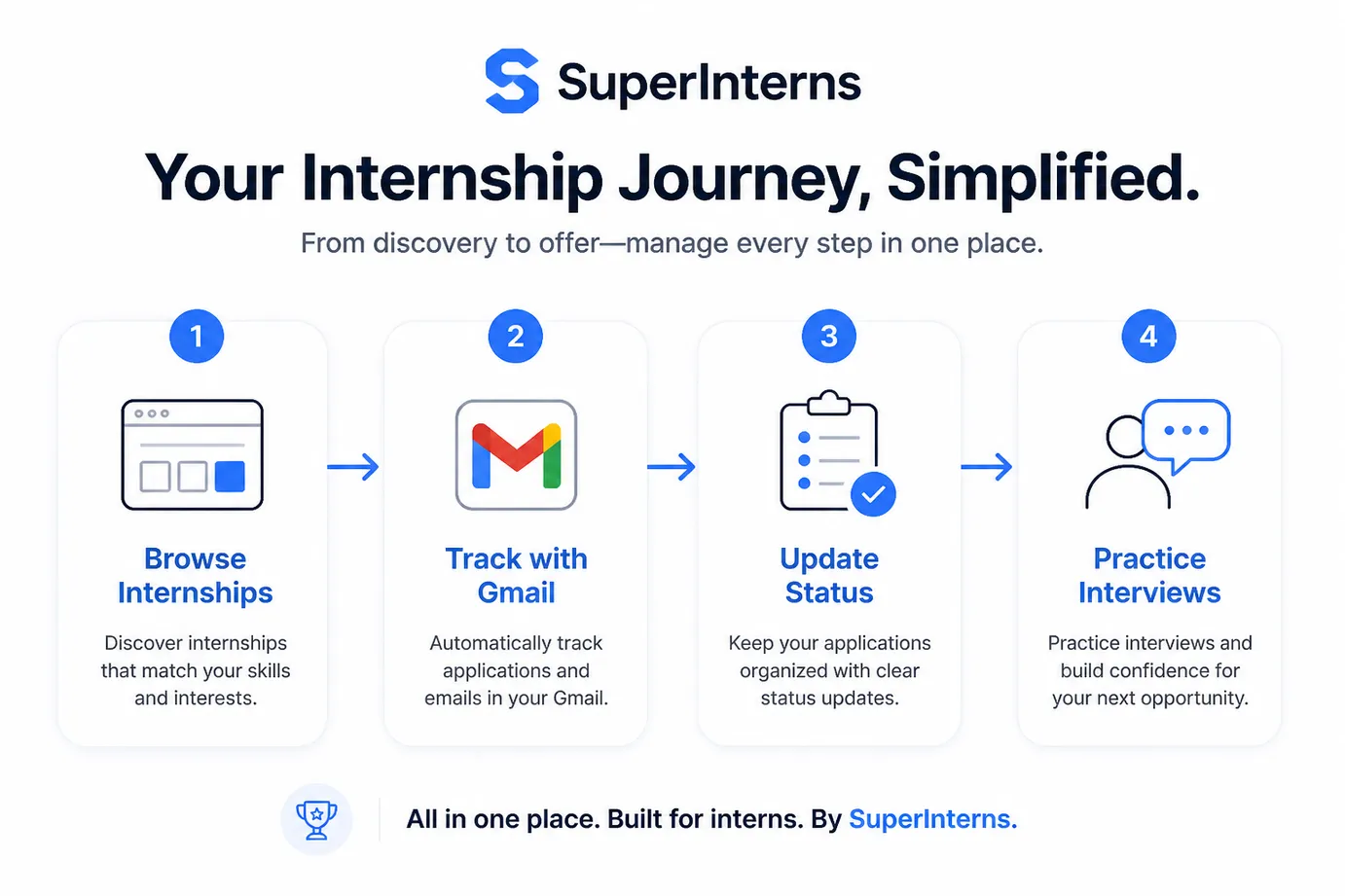
Step 1: Browse and Save Relevant Internships
Start with focused searches. Instead of searching only for internship, try role-specific searches such as:
- Summer 2027 software engineering internship
- Summer 2027 finance analyst internship
- Summer 2027 marketing internship
- Summer 2027 data analyst internship
- Summer 2027 mechanical engineering internship
- Summer 2027 public policy internship
Save roles that match your skills, location preferences, and eligibility. Do not apply only to perfect matches. If you meet many of the key requirements and can explain your interest, the role may be worth applying to.
Step 2: Connect Gmail-Based Tracking
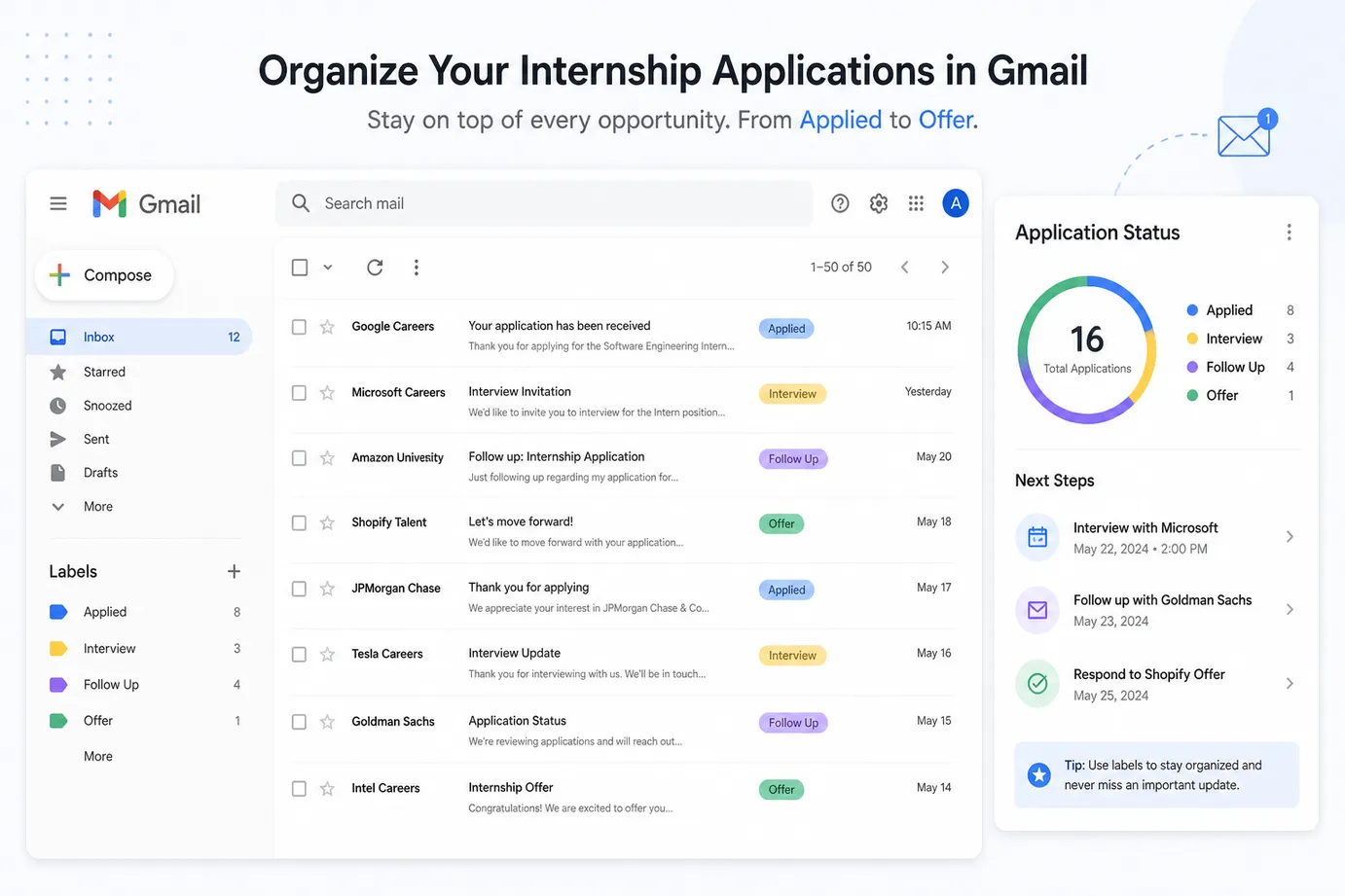
If you use Gmail for applications, tracking can help you stay organized without manually updating every detail. A Gmail-based internship tracker can help identify application confirmations, recruiter replies, interview invitations, and follow-up messages.
Use tracking to answer practical questions:
- Where have I applied?
- Which companies responded?
- Which applications need follow-up?
- Which interviews are scheduled?
- What deadlines are coming up?
Keep your inbox clean by labeling internship emails, archiving confirmations after they are tracked, and starring messages that require action.
Step 3: Keep Statuses Updated
Every application should have a status. Use simple labels such as:
- Saved
- Applied
- Referral requested
- Recruiter screen
- Interview scheduled
- Assessment pending
- Offer
- Rejected
- Withdrawn
This makes your search measurable. If you applied to 30 roles and received no responses, you may need to improve targeting or resume alignment. If you received screens but no final interviews, you may need interview practice. If referrals are leading to more responses, spend more time networking.
Step 4: Move Into Interview Practice Early
Do not wait for an interview invitation to prepare. Start interview practice as soon as you apply to roles in a serious way. SuperInterns can help you shift from tracking applications to preparing for behavioral questions, technical screens, and role-specific conversations.
Create Application Materials That Match the Role
Your resume and cover letter should make it easy for a recruiter to see why you fit the internship.
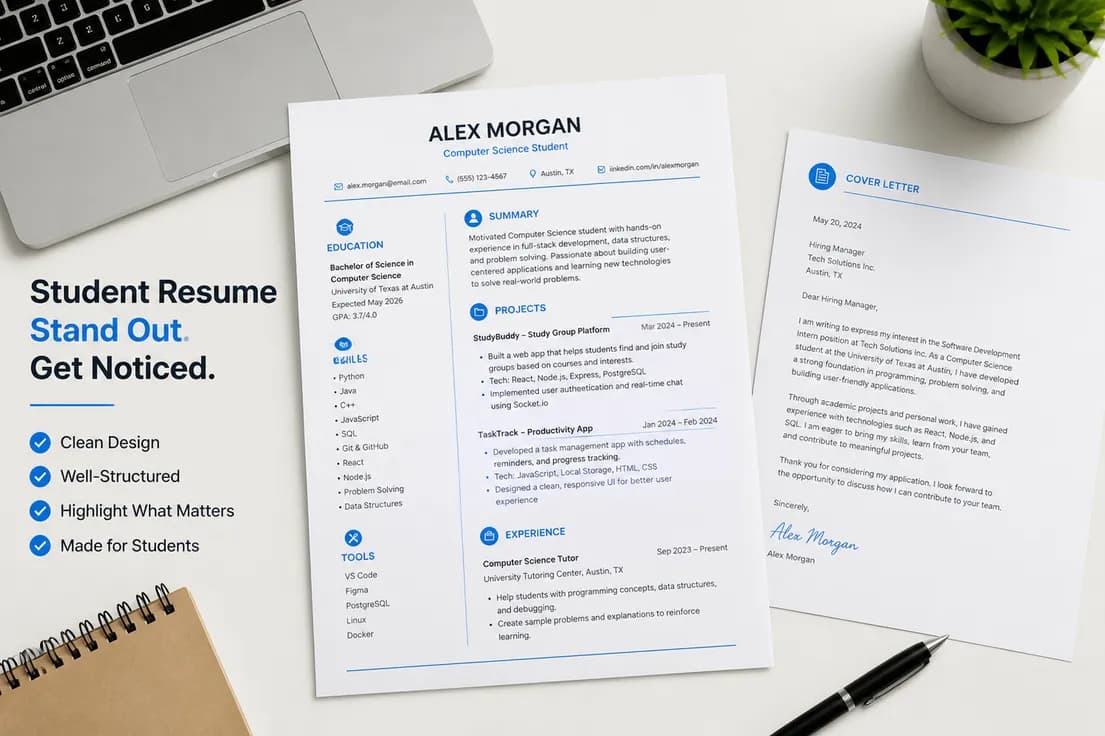
Resume Basics for Summer 2027 Internships
A student resume should usually be one page. Focus on clarity, measurable results, and relevant skills.
Include:
- Name, email, phone, LinkedIn or portfolio
- Education, major, graduation date, GPA if strong or required
- Relevant coursework
- Projects, work experience, research, leadership, or volunteering
- Skills, tools, certifications, and languages
Use bullet points that show action and outcome. For example:
- Weak: Helped with social media for campus club.
- Stronger: Created weekly Instagram content for a 500-member campus club, increasing average post engagement by 35% over one semester.
Tailor Without Rewriting Everything
You do not need a brand-new resume for every application. Create a strong base resume, then adjust the top skills, project order, and bullet wording for different role types.
For example, a student applying to data roles should move analytics projects higher. A student applying to operations roles should highlight coordination, process improvement, customer service, and spreadsheet work.
Cover Letters: Use Them Strategically
If a cover letter is optional, write one when you have a clear reason for interest or a connection to the company. Keep it short.
A simple structure:
- Why this role and company
- Two relevant experiences or skills
- What you hope to contribute and learn
- A concise thank you
Avoid repeating your resume line by line. Add context that helps the employer understand your motivation.
How to Get Referrals for Summer 2027 Internships
Referrals can help your application get noticed, especially at larger companies. A referral does not guarantee an interview, and you should never pressure someone to refer you. The best referrals come after a respectful conversation.
Who to Ask
Start with people who have some connection to you:
- Alumni from your school
- Former classmates
- Friends of family, if appropriate
- Professors with industry contacts
- Previous managers
- Student organization alumni
- Career fair representatives
Referral Message Template
Hi [Name], I am a [year] studying [major] at [school], and I saw that [company] has a summer 2027 [role] internship open. I noticed your experience in [team or function] and would appreciate any advice on applying. If you are open to it, I would be grateful for a brief conversation.
After a helpful conversation, you can ask:
Thank you again for speaking with me. I plan to apply to the [role] internship this week. Based on our conversation, do you feel comfortable referring me or pointing me to the right recruiting contact?
Make It Easy for the Referrer
Send your resume, the role link, and a brief summary of why you are a fit. Respect their answer. If they decline or do not respond, move on politely.
Interview Preparation for Summer 2027 Internships
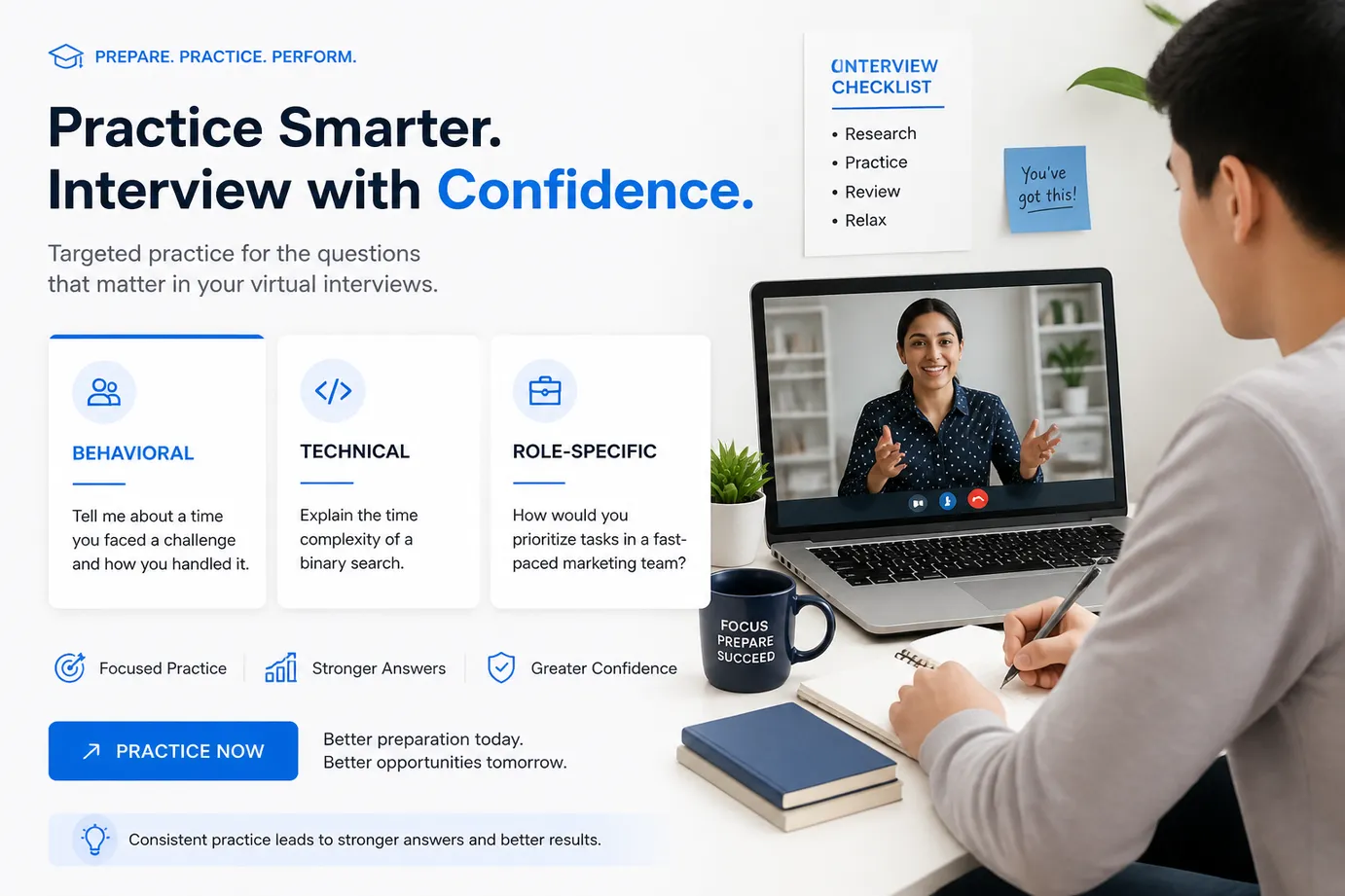
Internship interviews usually test three things: motivation, communication, and readiness for the work. Depending on the role, you may also have technical assessments, case interviews, writing tests, portfolio reviews, or coding screens.
Behavioral Interview Questions
Prepare examples for common prompts:
- Tell me about yourself.
- Why are you interested in this internship?
- Describe a time you worked on a team.
- Tell me about a challenge you faced.
- Give an example of when you learned something quickly.
- Describe a time you handled feedback.
- What are your strengths and areas for growth?
Use the STAR method: Situation, Task, Action, Result. Keep answers specific and concise.
Role-Specific Preparation
Match your practice to the internship type:
- Software: data structures, debugging, projects, APIs, system basics
- Data: SQL, spreadsheets, Python or R, dashboards, business interpretation
- Finance: accounting basics, valuation concepts, Excel, market awareness
- Marketing: campaign analysis, audience research, writing, analytics tools
- Engineering: design process, lab work, CAD, manufacturing, problem solving
- Product: user needs, prioritization, metrics, cross-functional communication
- Policy or nonprofit: research, writing, stakeholder analysis, mission alignment
Questions to Ask the Interviewer
Prepare thoughtful questions:
- What does success look like for an intern on this team?
- What projects have interns worked on in past summers?
- How is feedback provided during the internship?
- Which skills should I strengthen before starting?
- How does the team support student interns?
Good questions show that you care about learning, contribution, and fit.
Organize Your Applications Like a System
A successful internship search is a repeatable weekly routine.
Weekly Internship Search Routine
Try this schedule during peak recruiting:
- Monday: Browse new postings and save roles.
- Tuesday: Tailor resume bullets for top roles.
- Wednesday: Send referral or alumni messages.
- Thursday: Submit applications.
- Friday: Update statuses and follow up.
- Weekend: Practice interviews and improve materials.
You can compress or expand this based on your course load. The key is consistency.
Application Volume: Quality Plus Consistency
There is no perfect number of applications. Some students succeed with 15 targeted applications and referrals. Others need 75 or more, especially in competitive fields.
A balanced goal might be:
- 5-10 high-fit applications per week during peak season
- 2-3 referral conversations per week
- 1-2 interview practice sessions per week
- A weekly review of results and next actions
Track your response rate. If you are not getting replies, improve targeting, resume keywords, project descriptions, and referral efforts.
Privacy, Student Status, and Trust
When using any internship platform, understand how your information is used. Students deserve clear value and practical control.
With a workflow like SuperInterns, the purpose of Gmail-based tracking should be to help you manage your search: identify application emails, organize statuses, surface follow-ups, and reduce manual work. You should review permissions carefully, use the account you are comfortable using for internship applications, and disconnect access if you no longer want tracking.
Also pay attention to student status verification. Some internships, discounts, events, or platform features may require confirmation that you are currently a student. Verifying student status can help maintain a student-focused environment and ensure access is intended for eligible users.
Before sharing personal information anywhere, check:
- What information is requested
- Why it is needed
- Whether you can update or remove it
- Whether the platform explains permissions clearly
- Whether you are applying through legitimate employer links
A good internship workflow should save time, improve organization, and help students make informed decisions.
Common Mistakes to Avoid
Waiting Until Spring 2027 to Start
Spring can still bring opportunities, but waiting limits your options. Start in fall 2026 if possible.
Applying Without Tracking
If you cannot remember where you applied, you cannot follow up effectively or learn from your results.
Using the Same Resume for Every Role
A generic resume often hides your strongest fit. Tailor your skills and projects to the role category.
Ignoring Smaller Employers
Big-name internships are competitive. Smaller companies, local businesses, nonprofits, labs, and startups can offer excellent experience.
Preparing for Interviews Too Late
Interview practice works best before pressure hits. Start early with common questions, then add role-specific practice.
Sending Referral Requests That Are Too Direct
Do not open with "Please refer me" if the person does not know you. Ask for advice first and build context.
Summer 2027 Internship Search Checklist
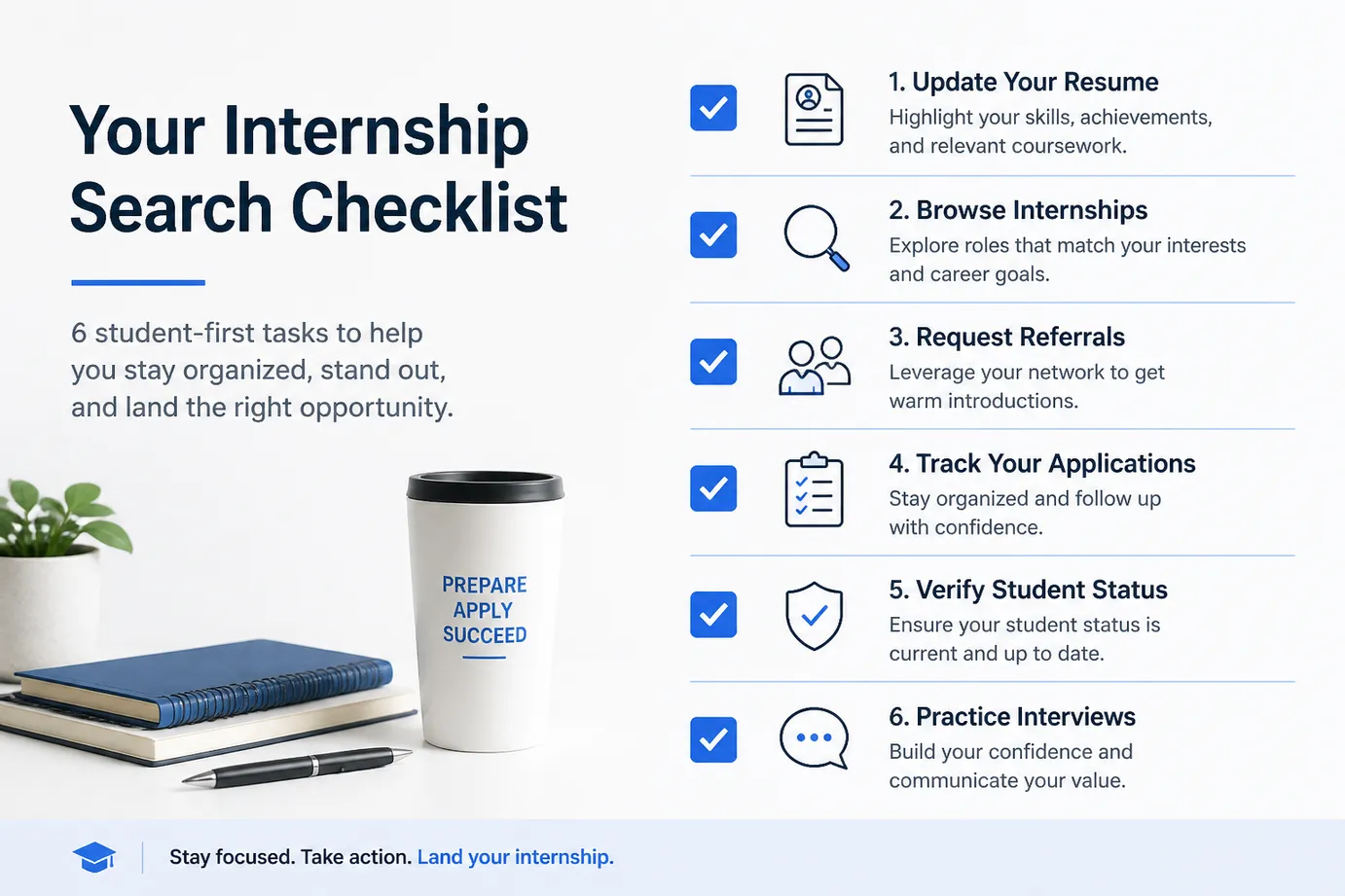
Use this checklist to stay on track:
- ✓Choose 2-3 internship tracks
- ✓Create or update your resume
- ✓Build a target company list
- ✓Browse summer 2027 internships weekly
- ✓Save relevant roles in SuperInterns
- ✓Connect Gmail-based tracking if it fits your workflow
- ✓Label internship emails and monitor recruiter replies
- ✓Verify student status when needed
- ✓Ask alumni or contacts for advice
- ✓Request referrals respectfully
- ✓Apply early to rolling roles
- ✓Practice behavioral interview answers
- ✓Prepare role-specific interview skills
- ✓Review results every week
- ✓Follow up professionally
Frequently Asked Questions About Summer 2027 Internships
When should I start applying for summer 2027 internships?
For many competitive U.S. internships, start watching postings in late summer 2026 and apply actively in fall 2026. Continue through winter and spring because new roles can appear throughout the year.
Are summer 2027 internships only for juniors?
No. Some internships target juniors, but many accept sophomores, first-years, graduate students, or students from specific programs. Always read eligibility requirements carefully.
How many internships should I apply to?
It depends on your field, experience, and target employers. During peak season, 5-10 thoughtful applications per week is a practical goal for many students. Focus on quality, tracking, and steady effort.
Should I apply if I do not meet every requirement?
Yes, if you meet the core requirements and can show relevant experience or learning ability. Do not apply to roles where you clearly do not meet required eligibility, work authorization, location, or graduation-year rules.
How do I keep track of applications?
Use a central workflow. SuperInterns can help you browse internships, track application emails through Gmail-based organization, update statuses, and prepare for interviews. This is more reliable than relying on memory.
What if I have no previous internship experience?
Use projects, coursework, part-time jobs, volunteering, research, student organizations, and independent work. Employers want evidence that you can learn, communicate, and contribute.
Final Takeaway: Start Early, Stay Organized, Keep Improving
The best summer 2027 internship search is not frantic. It is organized. Start by understanding your target roles, then build materials, browse internships regularly, track applications, ask for referrals respectfully, and practice interviews before you need them.
SuperInterns can help you turn the process into a clear workflow: browse internships, connect Gmail-based tracking, verify student status when needed, monitor next steps, and start interview practice.
Your next step is simple: browse summer 2027 internships, save roles that fit your goals, and set up a system before recruiting gets busy. A steady process now can make your future search much easier.